Medspa Practice Sales: The Value of Personalization in Client Outreach


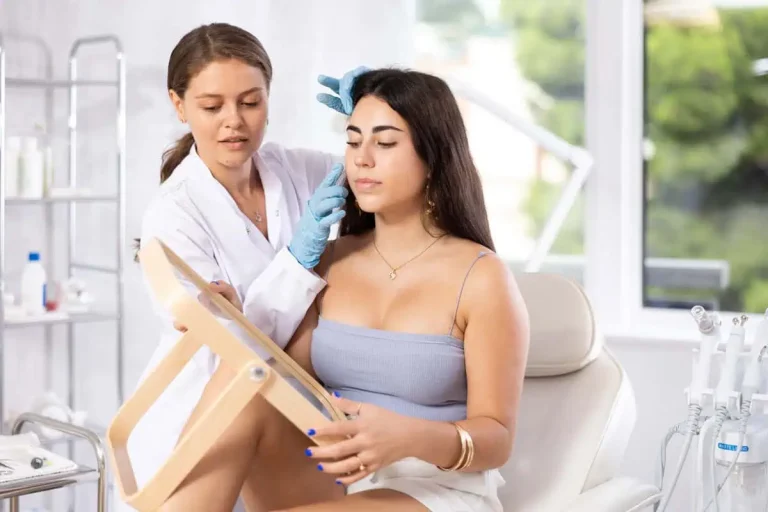
Medspa owners often spend enormous effort refining the client experience once a patient walks through the door, yet they treat outreach like a volume game. The mismatch is expensive. A practice can have an excellent injector, strong treatment outcomes, and a beautiful facility, then lose ground because its messaging feels generic, delayed, or disconnected from what a prospective buyer actually cares about.
That gap matters even more in Medspa Practice Sales. When a practice is being prepared for sale, valued for acquisition, or positioned for strategic growth, outreach becomes more than a marketing function. It turns into a revenue signal. Buyers look closely at whether the business can attract and retain clients predictably. They want to see a client base that responds to the brand, not just to a single provider’s charisma or a seasonal discount. Personalized outreach helps create that signal because it improves conversion, strengthens retention, and produces cleaner, more defensible revenue patterns.
I have Medspa Practice Sales Aesthetic Brokers seen this play out repeatedly. Two medspas can offer similar services, operate in the same zip code, and spend roughly the same on marketing. One gets modest results and frequent no-shows. The other books stronger consultations, fills memberships more consistently, and generates more repeat treatment plans. The difference is rarely just ad creative or budget. More often, it comes down to whether the practice speaks to people as individuals or as leads in a pipeline.
Why personalization carries real financial weight
Personalization gets discussed as if it were mostly about tone, using a first name in a text, remembering a birthday, referencing a previous appointment. Those details matter, but they are the surface layer. The deeper value is economic.
A medspa that personalizes outreach effectively tends to improve three things at once. First, it lifts inquiry-to-consult conversion because people feel understood before they ever commit. Second, it raises treatment acceptance because recommendations are framed around goals and concerns rather than pushed as a preset package. Third, it increases lifetime value because follow-up communication is relevant, timely, and tied to a client’s actual care journey.
Those outcomes affect Medspa Practice Sales directly. Buyers do not simply buy square footage, devices, or a logo. They buy expected cash flow. If outreach is generic, a practice usually has weaker conversion discipline and less reliable retention. That makes future revenue feel fragile. If outreach is personalized and repeatable, the business appears more mature, more transferable, and less dependent on owner hustle.
This is especially important in owner-led practices. A founder may be beloved by clients and highly effective in consultations. Yet if all rapport and persuasion live inside the founder’s head, the business may underperform in a sale process. Buyers worry that post-close revenue will dip once that founder steps back. Personalized outreach systems reduce that risk. They translate intuition into process.
Generic messaging creates hidden drag
Most medspas do not set out to sound impersonal. They simply fall into familiar habits. A lead comes in through a website form, and everyone gets the same text. An appointment is booked, and the reminder sequence is identical whether the client is considering lip filler, acne treatment, or body contouring. A consultation happens, and the follow-up says, “Checking in to see if you had any questions.” It is polite, but it does not move the relationship forward.
Generic outreach creates a kind of friction that rarely appears on a single report. Instead, it shows up in small losses across the funnel. Prospects delay scheduling. Consultation attendance slips. Treatment plans stall after the first quote. Existing clients drift because nobody noticed that their Botox cycle has lapsed or that they never returned after a disappointing peel series. Front desk teams end up relying on promotions to wake people up, which compresses margins and trains clients to wait for discounts.
One medspa operator I worked with had a familiar complaint: “Our leads are weak.” When we looked more closely, the issue was not lead quality alone. The practice answered quickly, but every inquiry received the same template. A 28-year-old interested in preventive neurotoxin got the same first response as a 53-year-old asking about skin laxity after weight loss. Both received a menu, a scheduling link, and a generic “we’d love to help.” The practice was responsive, but not relevant. Once the team started tailoring the first message based on the client’s stated concern, consult bookings rose within weeks. The ad spend had not changed. The language had.
What real personalization looks like in a medspa setting
Personalization does not mean writing a novel for every lead or building an elaborate tech stack that your team cannot maintain. It means making outreach reflect what the practice already knows, and using that information at the right moment.
A prospective client considering laser hair removal should not receive the same framing as someone worried about melasma before a wedding. The first likely wants clarity on package structure, treatment intervals, and expected comfort. The second wants safety, timing, and confidence. A returning injectable client who has previously hesitated on filler needs different follow-up from a first-time aesthetics patient who is nervous about looking overdone.
The strongest practices personalize around a few practical dimensions:
- stated concern or treatment interest
- stage in the client journey
- prior treatment history
- timing triggers, such as events, lapses, or seasonality
- communication preference, usually text, phone, or email
That is enough to make outreach feel thoughtful without becoming unmanageable.
The mistake many teams make is assuming personalization starts with software. It often starts with intake discipline. If your inquiry forms collect almost no context, if consultation notes are sparse, or if treatment recommendations are not documented clearly, the team has very little to work with later. Good personalization is often the result of good note-taking.
The first response sets the tone
The highest-leverage message in many medspas is the very first one after an inquiry. This is where too many practices default to sterile convenience. They send the scheduling link immediately and hope the prospect self-selects into the calendar.
A better first response acknowledges why the person reached out. It answers the concern underneath the inquiry, not just the logistics around booking. If someone asks about under-eye hollowness, the best response is not a generic “we offer filler consultations.” It is a brief, reassuring explanation that under-eye concerns are evaluated carefully because candidacy varies, and that the provider will usually assess volume loss, skin quality, and whether filler is even the right option. That kind of language builds trust because it suggests judgment rather than sales pressure.
It also protects the practice. Medspas that oversell in the first interaction may win short-term bookings, but they often create mismatched expectations. A personalized response that balances warmth with professional caution tends to attract better-fit clients. Those clients are more likely to accept appropriate treatment plans and less likely to become refund disputes.
This matters in Medspa Practice Sales because acquirers pay attention to reputational quality as much as topline growth. A medspa with strong reviews, low complaint friction, and consistent consult conversion is easier to underwrite than one that appears to chase volume at any cost.
Consultation follow-up is where revenue is often won or lost
Many medspas handle consultations well in person and then squander the opportunity afterward. The client leaves with a quote, maybe a pamphlet, maybe a verbal summary, and then silence or a vague check-in. This is one of the most expensive weak spots in the business.
Personalized follow-up after consultation should remind the client that the recommendation was built for them. That does not require aggressive selling. It requires specificity. If a provider recommended a staged plan for acne scarring, the follow-up should reflect the reasoning behind staging. If the client was concerned about downtime before a social event, the message should reference that timeline. If cost was the main hesitation, the follow-up can revisit sequencing, financing, or a slower treatment cadence without sounding desperate.
A generic “just circling back” does not reopen the decision. A targeted note often does.
I have seen practices recover meaningful revenue simply by tightening this moment. One clinic had a pattern of stalled consultations for combination treatments over $2,000. Their old follow-up was polite but empty. Their revised approach summarized the provider’s rationale in plain language, addressed the specific hesitation noted in consultation, and offered two pathways: complete treatment as recommended or begin with the highest-priority step. Close rates improved because the message respected both the patient’s goal and budget reality.
That is a practical lesson for anyone thinking about Medspa Practice Sales. Buyers love growth, but they love fixable inefficiencies too. If a practice can demonstrate that its outreach process is measurable, trainable, and still has room for optimization, that can strengthen the business story significantly.
Retention is personalization’s quiet advantage
Most conversations about medspa growth focus on lead generation because it is visible and easy to discuss. Retention is less flashy, but often more valuable. Personalized outreach gives retention structure.
Aesthetics is inherently relationship-driven. Clients return when they feel recognized, advised, and cared for with consistency. That does not mean constant communication. It means well-timed communication that aligns with what they actually need. A client who completed a series of microneedling treatments should not disappear into a broad monthly newsletter and a Black Friday blast. They should receive guidance on maintenance timing, skin goals, and complementary services only if those services make clinical sense.
The best medspas treat outreach as an extension of care. They know when someone is likely due for neurotoxin, when a membership holder is underutilizing benefits, when a body contouring client may need encouragement to complete a series, and when a skincare purchaser could benefit from a check-in before abandoning the regimen. These are business opportunities, but they are also service moments. When handled properly, the client experiences them as helpful, not intrusive.
That distinction matters because overcommunication can backfire. A medspa that texts every contact every week may generate short bursts of response, but it also trains people to ignore the brand. Personalization protects against that fatigue by narrowing the message to what matters.
What buyers notice during diligence
When buyers evaluate a medspa, they review more than profit and loss statements. Sophisticated buyers, whether they are independent operators, regional groups, or private investors, want to understand the quality of demand and the mechanisms behind it. Outreach practices offer clues.
They often look for signs that the client book is durable. How many clients are repeat versus one-time? How much revenue comes from memberships? How strong is rebooking behavior? Does the business rely heavily on promotions? Are consult-to-treatment conversions tracked? If there is a CRM, is it being used intelligently or just storing names?
Personalized outreach strengthens the answers to these questions because it tends to produce more stable behavior across the client base. You see better follow-through. You see fewer abrupt drop-offs after first treatment. You often see less discount dependency, because the relationship is being built on outcomes and trust rather than urgency and price alone.
From a sale perspective, that can influence both valuation and buyer confidence. A medspa with documented retention systems and segmented communication flows is easier to imagine under new ownership. The practice looks like an operating company, not just a busy owner with a good reputation.
Personalization does not mean overcomplication
There is a point where personalization becomes too fussy to scale. That usually happens when owners design ideal workflows that their teams cannot realistically execute. If every outreach message requires ten manual steps and three approvals, it will break under normal clinic pressure.
The aim is not handcrafted communication for every touchpoint. The aim is relevant communication with enough flexibility to feel human. Strong medspas usually build a framework, then train staff to adapt within it. Scripts become talking points. Templates become starting points. Automation supports judgment instead of replacing it.
A practical example helps. A medspa may create three versions of a consultation follow-up for injectables: first-time nervous patient, experienced patient comparing providers, and patient interested but price-sensitive. Each version can then be personalized further with one or two notes from the consult. That is manageable. It saves time while preserving specificity.
Where practices get into trouble is confusing volume with sophistication. More campaigns do not necessarily mean better outreach. More tags do not always create better segmentation. I would rather see a medspa execute a few relevant workflows consistently than build a sprawling communication calendar nobody can maintain.
Training the front desk and providers to work from the same narrative
Personalization fails when the front desk promises one thing, the provider frames another, and the post-consult message sounds like a third person entirely. That disconnect is more common than many owners realize.
The front desk often handles inbound demand, but providers hold the clinical nuance. Marketing teams, if there is one, tend to write from a brand perspective. Unless those three voices are aligned, outreach feels inconsistent. A prospect senses the wobble even if they cannot articulate it.
The remedy is not a long operations manual. It is shared language around core treatment categories, common hesitations, candidacy issues, and what the brand stands for in plain English. When teams know how the practice talks about natural results, maintenance expectations, combination therapy, downtime, and pricing philosophy, personalization becomes safer and easier.
A useful training habit is reviewing lost opportunities together. Why did the consult not book? Why did the patient ghost after a quote? Why did a member stop responding? Often the answer is not simply price. It may be timing, uncertainty, fear of looking unnatural, lack of clarity about the plan, or feeling rushed. Teams get much better at personalization when they hear these reasons regularly instead of guessing at them.
Where personalization can go wrong
There is a fine line between relevant and invasive. Medspa clients want to feel seen, not monitored. Referencing a treatment history the client clearly shared with the practice is appropriate. Sounding like you are tracking every click and life event can feel unsettling.
The common errors are predictable:
- using too much familiarity too early
- over-texting because response rates are temporarily strong
- making assumptions based on demographics rather than stated goals
- pushing upgrades before the original concern is fully addressed
- automating messages that should be reviewed by a human
Another problem is personalization without restraint. A team member may mean well and send long, emotional messages trying to “connect,” but the result can feel unprofessional. In aesthetics, clients respond well to warmth, clarity, and confidence. They do not need oversharing. They need competent guidance that feels tailored to them.
This is particularly important when a practice is preparing for sale. Buyers will examine not just results but process hygiene. If outreach lives in personal phones, if messages vary wildly by coordinator, or if no one can explain why certain follow-ups are sent, the business looks less controlled. Personalized does not mean improvised.
How to strengthen outreach before a sale process
Owners planning for Medspa Practice Sales often focus on the visible assets first: financial cleanup, provider agreements, equipment records, lease details, branding polish. All of that matters. But client outreach deserves attention well before the business goes to market because it influences trailing performance and tells a story about operational quality.
Start by reviewing where leads stall. Look at response times, but do not stop there. Read the messages. Do they answer the prospect’s likely concern? Do they sound like a premium medical aesthetic practice or a coupon funnel? Then review consultation follow-up. Is it documented, timely, and specific? Next, examine retention touchpoints. Are lapsed clients contacted with any relevance, or only blasted with promotions? Are memberships being used as a relationship platform or just a billing mechanism?
A few months of disciplined improvement in these areas can sharpen metrics buyers care about. Even modest gains in consult conversion, package acceptance, or rebooking rates can improve the quality of earnings narrative. Just as important, a seller can credibly say, “This business has a repeatable client communication system that does not rely solely on me.” That line carries weight.
The strongest brands feel personal at scale
There is a reason the best-performing medspas often feel easier to buy from. Their communication reduces uncertainty. It helps clients make decisions without feeling pushed. It remembers enough to be useful and filters enough to avoid noise. That balance is not accidental.
Personalization in outreach is often treated as a customer service enhancement. It is that, but it is also a growth system, a retention system, and a valuation system. It shapes how efficiently demand turns into revenue and how convincingly that revenue can be defended in a sale process.
For owners, this is good news because personalization does not require a radical reinvention. It requires attention, consistency, and a willingness to document what your best team members already do instinctively. When that insight gets translated into process, the practice becomes more effective now and more attractive later.
A medspa’s brand promise is always tested before the first appointment and after the consult, not just during treatment. Practices that understand this tend to build stronger books, healthier margins, and more transferable businesses. In Medspa Practice Sales, that is not a soft advantage. It is part of the value itself.
Aesthetic Brokers
800 Silverado St #301A, La Jolla, CA 92037, United States
+1 619-742-0310
FAQ About Medspa Practice Sales
How do I sell my med spa in San Diego?
Begin by defining your goals and organizing financial statements, treatment revenue, membership obligations, equipment records, leases, and staffing information. An advisor can help assess market positioning, identify suitable buyers, and coordinate a confidential process. Qualified legal and accounting professionals should review the proposed transaction structure, agreements, and any ownership or regulatory requirements that apply to your practice.
How do you value a medical practice to sell in San Diego?
A valuation typically considers sustainable earnings, documented adjustments, assets and liabilities, comparable transactions, and the practice's specific risks. For a medical spa, recurring memberships, provider retention, patient concentration, equipment obligations, and dependence on the owner may also affect buyer interest. A tailored assessment is more useful than applying a single multiple to revenue, and an estimated value does not guarantee a final sale price.
How long does it take to sell a medical practice?
The timeline varies with financial readiness, buyer availability, financing, due diligence, lease approvals, and the complexity of the transaction. Preparing accurate records and clarifying transition responsibilities can help reduce avoidable delays. Sellers should discuss their circumstances with their advisors and allow flexibility rather than relying on a guaranteed closing date.